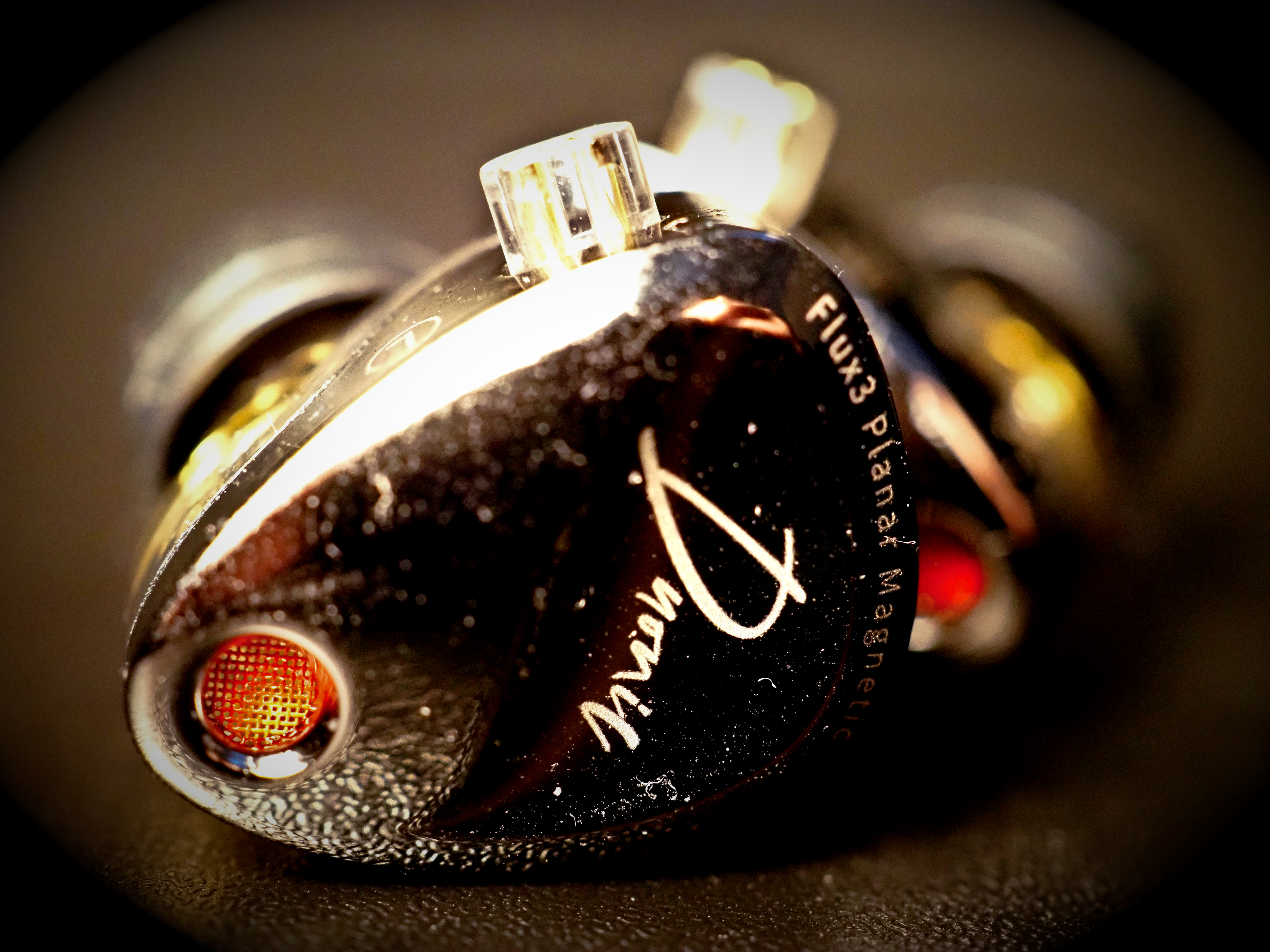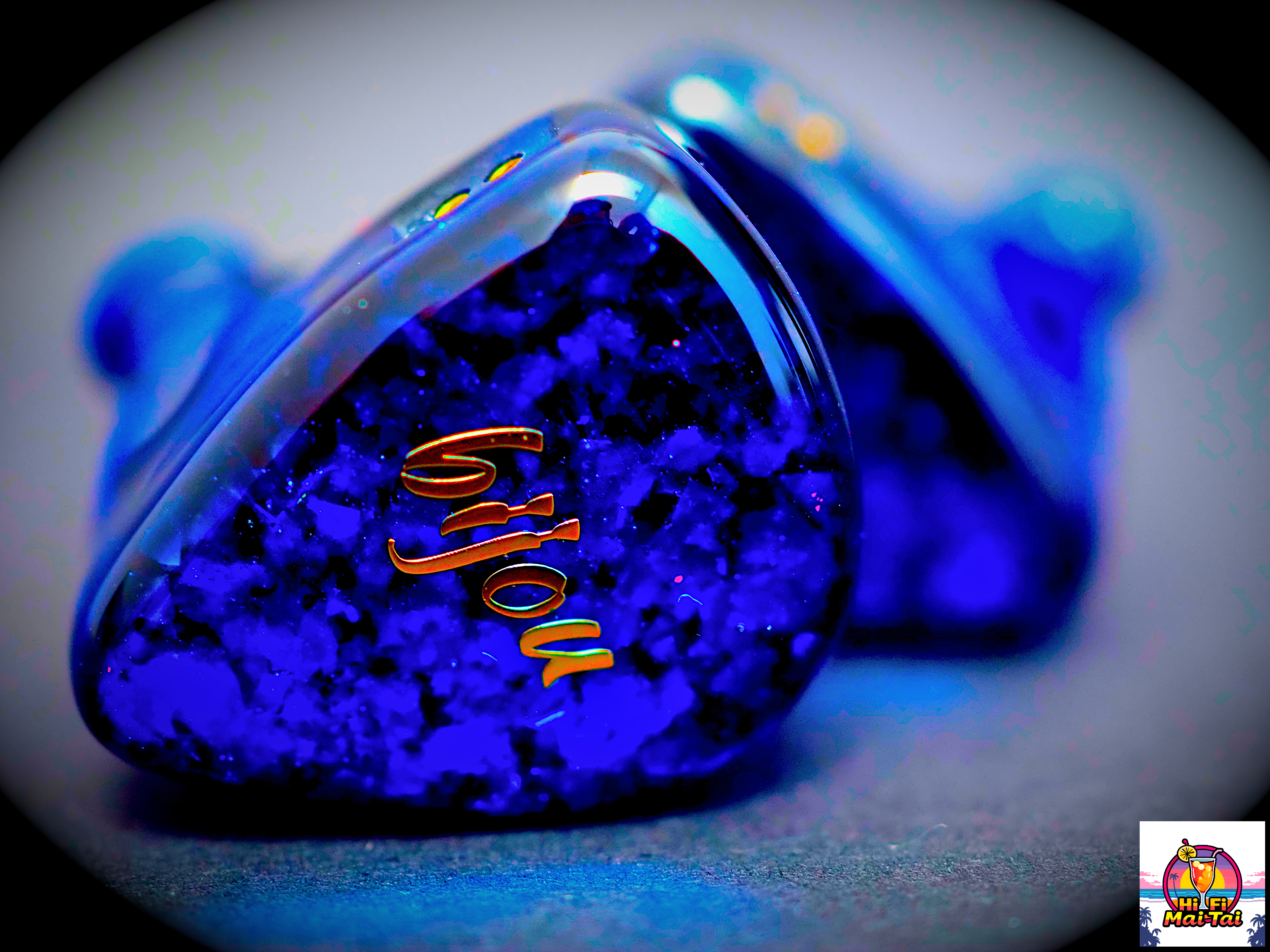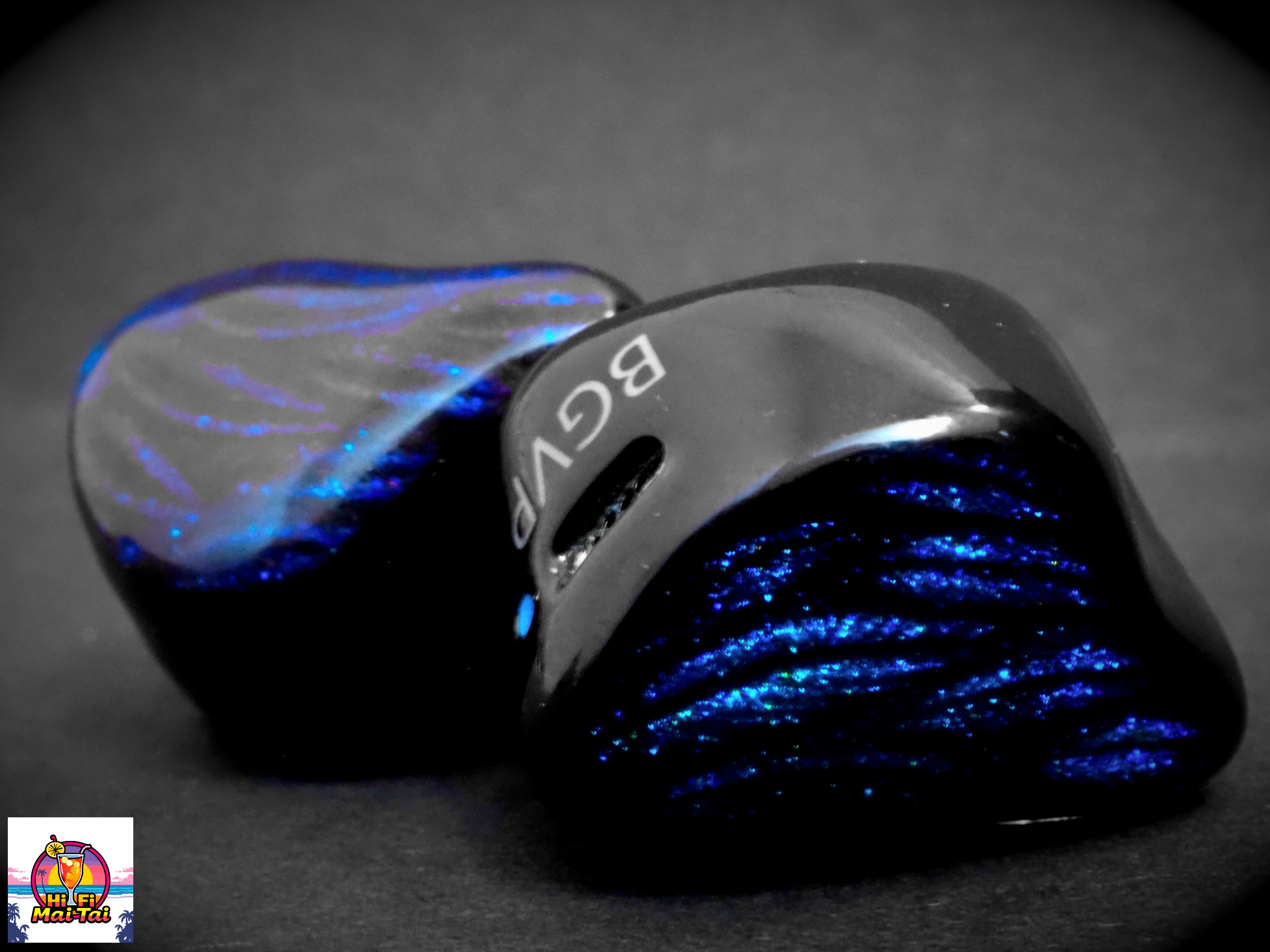
Its been about a year since the BGVP Feather took flight. It entered a market full of bird related IEMs. Phoenixes, Falcons, Finches to name a few. I do not want to think about all the crap these flying animals must be generating but I do want to give the BGVP Feather some attention. I think it deserves it. This is not a feather in the wind. This is nature’s perfect flying machine. So lets get to it. Lets get into the Bartender’s BGVP Feather Review.
BGVP Feather Review – The Cocktail:
I paid £79 for the BGVP feather and for that I got a cocktail that uses the quintessential driver arrangement (at least in my opinion). When ever I think of a hybrid IEM it is the one dynamic driver and 4 BA arrangement that springs to mind. Its satisfying. Its comforting. It is pretty meaningless though. I guess its just like how I like the color purple or the number 14. I am not about to let these things rule my life but they do bring a small (very small) amount of joy.
The driver arrangement is nothing unusual. The rest of the specifications are also nothing unusual. This is an easy to drive IEM though I felt its sound improves with a little volume and so a well powered DAC/AMP is a good idea to get the best out of these.
- Drivers: 10mm dual-sided carbon nano-diaphragm & 4 BA drivers (custom-tuned, Knowles, and Phoenix units)
- Frequency: 20 to 40,000 Hz
- Impedence: 18 Ω
- Sensitivity: 107 dB
BGVP Feather Review – The Taste Test Setup:
This is the first review I am conducting with my SMSL M20. Going forward most of my reviews will probably use this DAC/AMP. Therefore, I will give a quick comparison between the SMSL M20 and the Moondrop Dawn Pro 2 that I have used previously. Quick because I don’t want to spend too long on it and quick because I don’t think much needs to be said.
To me the SMSL M20 and Moondrop Dawn Pro 2 are fairly similar with both going for a clean, neutral uncolored tuning. This is not surprising as they both use the same type of DAC chip with the Moondrop Dawn Pro 2 utilizing the upgraded member of the chip family. The reason I prefer the SMSL M20 is that it generally seems to open the soundstage a little and this lets its clean crisp (possibly slightly energetic) tuning shine. As both are uncolored they should not effect the scores assigned to the bass, mid or treble frequencies. They may slightly impact the details scoring (the SMSL M20 possibly highlighting details a little more) and they will effect the technicals (The SMSL M20 scoring higher) so please consider this when comparing reviews.
Also for this review the Spinfit W1 eartips have returned. These are my go to and need no introduction.
- DAC/AMP: SMSL M20
- Cable: Tripowin C-01 (Balanced)
- Eartips: Spinfit W1 (Silicon)
BGVP Feather Review – The Non-Audio:
Maybe it was harsh to rate the accessories as ‘Just Some Peanuts’. ‘Top Noth Nibbles’ may have been more appropriate. The BGVP Feather comes with a nice solid case that is a bit too big for a pocket but still a nice travel size. They also come with a modular cable. I don’t really like the cable as its a bit stiff but modular is a plus. The eartip selection is also not bad promising tips to improve the vocals and another set to improve the bass as well as the default set that does…balanced? (I didn’t use the eartips anyway). But then again the Kinera Celest Phoenix Call only got top notch nibbles and it came with a bookmark. And the Rosesla Aurora Ultra only got top notch nibbles and it came with a dac. So I guess its a high bar and to progress to the rank of ‘Top Notch Nibbles’ you have got to put in the work.
Style wise I have no doubts about my ranking. These are nice to look at. They certainly aren’t boring but they also don’t really distinguish themselves. There are other IEM designs that are bolder, more artistic more out there. I would probably be comfortable arriving to work one morning with the BGVP feather in my ears and the knowledge that I have to sack a load of people in my head. They same would not be true if I was wearing the KZ ZA12 with their blingy face plate or the KZ Vibe X with its sci-fi horror styling and sex toy sounding name. This was a really bad ramble. Makes me sound like a bad guy. I would never want to sack an office full people no matter what IEMs I am wearing.
The build is impressive. Its only upon close examination that the joins can be seen. This almost looks like a single piece of resin. The plastic surrounding the connector does have a little bit more of a gap but overall this is one tight ship. I wouldn’t call it unsinkable though. Wouldn’t want to curse it. You know what happens to ships they call unsinkable? Yeah its not good.
The BGVP Feather use a sort of semi-custom shaping that does include a small wing much like that on the TRN VX Pro+ which I think I complained about. This time around I have no complaints. I think this is mostly because the Spinfit W1 eartips improve the comfort but possibly the BGVP feather is a slightly better shape.

BGVP Feather Review – The Audio:
Often it feels like there is an anti-bass agenda. To describe someone as a ‘Bass Head’ is generally not a compliment. There is a snobbery that looks down upon ‘Bass Heads’ and this opinion I feel is often extended to ‘V-Shaped’ tunings. There is an assumption that as you progress upon the audiophile yellow brick road you will mature and grow to appreciate more refined and balanced sounds. Just like how people grow up to like coffee, beer or dark chocolate. Only a grown up can appreciate such things and as grown ups are always right such things must be better. The BGVP Feather is a big middle finger to this way of thinking.
Probably best described as a mild V-shaped tuning the BGVP feather embraces all that is good about the tuning and manages its shortfalls. This includes delivering plenty of bass. A bass that strikes a great balance between hitting hard and the sub bass rumble that provides texture and shape. There is a bounce to it and it doesn’t sound detached contibuting to a coherent and connect sound. The BGVP feather isn’t really trying to do that detached subwoofer sound instead its going for something more cohesive and more unified. Additionally the bass is highly adaptable. Sometimes when the track demands it the bass almost slows down a little and lingers to deliver atmosphere and reverberation. At other times the bass can be very fast delivering a clean slam that fades quickly. This bass delivers what is need when it is asked for. Amazon prime could probably learn a thing or two. Next day doesn’t mean two days and left by the bin of a house three doors down teh road doesn’t mean delivered. I want the right thing and I want it on time and the BGVP feather can deliver that.
The mids are always very clean but not thin. For some ‘V-shaped’ tunings the mids will embrace either a bright, warm or sometimes both tuning. But the BGVP feather remains much closer to a neutral sound. The clarity is accompanied by good detail and this helps keep them engaging. There is no doubt that the energy is mostly in the treble and the bass but the mids do not sound flat, sterile, lifeless or any of those other common words that have to be used to avoid the word boring.
The treble is not the most airy but it is clear and sharp. I might have proffered a little more extension to give a greater sense of open space but I wouldn’t what to reduce the sharpness and intensity of the treble as it currently is. Not being a treble sensitive individual I really enjoyed the treble of the BGVP Feather. Its fast and detailed sound provides perfect balance and contrast to the full and textured bass. Though I do really enjoy this sound there was a certain degree of stealth fatigue and after a while at high volumes I thought it wise to reduce the volume. However, this is not really surprising and though I have never mentioned it before I have to do similarly on other IEMs. Often much sooner than I did on the BGVP feather. If planning to break international law and use prolonged exposure to loud IEMs as a torture device there are many better options out there.
Like the mids the vocals were clean with great clarity. At times female vocals had a great sharpness. Male vocals remain balanced never sounding thin but equally never sounding weighty. This vocal tuning is very adaptable and really does male and female vocals equally well even if it is the occasional female vocalist that really stands out. Generally, vocals were a little recessed. Sometimes, they were very recessed sounding. Never were they too recessed for me. This is not an IEM tuned for vocals. Vocals are just not the focus. They aren’t spotlighted and they aren’t pushed forward. This does mean the vocals never get shouty but it also means the BGVP Feather probably won’t satisfy the needs of the cult of vocal lovers.
As has already been alluded to the BGVP Feather produce a very detailed sound and this detail is present across the frequency spectrum. Everything has a sharpness and a clarity and every little sound is given its chance to be heard. This detail is also delivered with effortless style and doesn’t come across as forced or artificial. I would guess that this is the detail that KZ is always striving for and I have to conclude to achieve it you need a little more money than a typical KZ IEM.
Other technicals were also impressive. The sound stage is big though perhaps not the biggest. Certainly, the BGVP Feather is not phased by tracks that have been mastered to sound big. I pretty much always like a bigger sound stage and I was not disappointed by the BGVP Feather. The clean clarity of the sound contributes to good imaging and instruments sounded separated spacially from one another and sound like distinct instruments.

BGVP Feather Review – The AI Opinion:
This a new feature that I am trying out. How well will it work? I don’t know but here goes anyway.
In this section I have asked Google’s AI mode to predict a score for the to be reviewed IEM prior to publishing my review. To get this prediction I have asked that it predict a score based upon the scoring system employed by me here at the HiFi Mai Tai beach bar. That’s it. It is as simple as that. I could be doing myself out of the job here. But got to embrace the modern world etc. And if AI is gonna take my job I am going to go down fighting. Hopefully it proves itself rubbish and there is nothing to worry about.
So the BGVP Feather. What does AI think?

Once again AI and I are in disagreement. We certainly disagree on more than we do agree. May be its time for a divorce but its just much easier to stick it out together. Got to stay together for the kids and all that other stuff that TV characters like to say.
I should really look back over these results to see how AI and I have compared. Might be interesting. Maybe if you average everything there is no difference between me and AI. Ugh I hope that’s not the case. That was a weird sentence to write and I don’t want to think about it.
BGVP Feather Review – Summary & Comparisons
I am just going to do the one comparison and it will be against the Kinera Celest Phoenix Call. The reason for the single comparison is that these two IEMs are the only two I have reviewed around this price point and because given the tuning of these IEMs I think its a very fair and interesting comparison. I would describe both as ‘V-shaped’ but they do have very different tuning approaches within that broader category.
So starting with the bass. Both have good bass presence and a similar degree of force in the mid-bass slam. However, the BGVP Feather has a lot more sub-bass giving it more texture and a lingering presence. Therefore, the BGVP Feather cannot match the speed and cleanness of the Kinera Celest Phoenix Call. Which bass is getter depends a lot on the music but I would say that the BGVP Feather is a better all-rounder and as it controls the bass really well its better for most genres of music only loosing out on tracks that have a lot of really really fast bass.
The mids are an easy win for the BGVP Feather. That strange timbre and tonality that effects the upper mids/lower treble of the Kinera Celest Phoenix Call is not present in the BGVP Feather. Additionally, the Kinera Celest Phoenix Call has more recessed mids. Its a similar story with the vocals though I think other people have really praised the vocals of the Phoenix Call so this one may just be me.
Both of these IEMs have good treble that is clear and sharp. The Phoenix Call has a little more air and little more extension that I do like but it can also have a slightly metallic tone. In my test setup I rated the treble of the BGVP Feather slightly higher than the Phoenix Call but there isn’t a lot in it. Both are detailed trebles that have the potential to become sharp and fatiguing but are fun and energetic.
Overall I would chose the BGVP Feather over the Kinera Celest Phoenix Call unless its all about style. The Kinera Celest Phoenix Call are still the fashion forward choice but for me at least the BGVP Feather are the better Audio option.
So to summarize. The BGVP Feather are a great around IEM that will deliver a fun, energetic and engaging sound that is not harsh, forced or unnatural. Its a good option for a range of music perhaps specializing in none. If you are looking to step up from IEMs in the ultra budget range and are perhaps still refining your personal tuning preferences then this is certainly an option to consider. Or if you have decided that its fun first and want an engaging sound that retains the technicals and details valued by audio lovers then the the BGVP Feather is a great option.